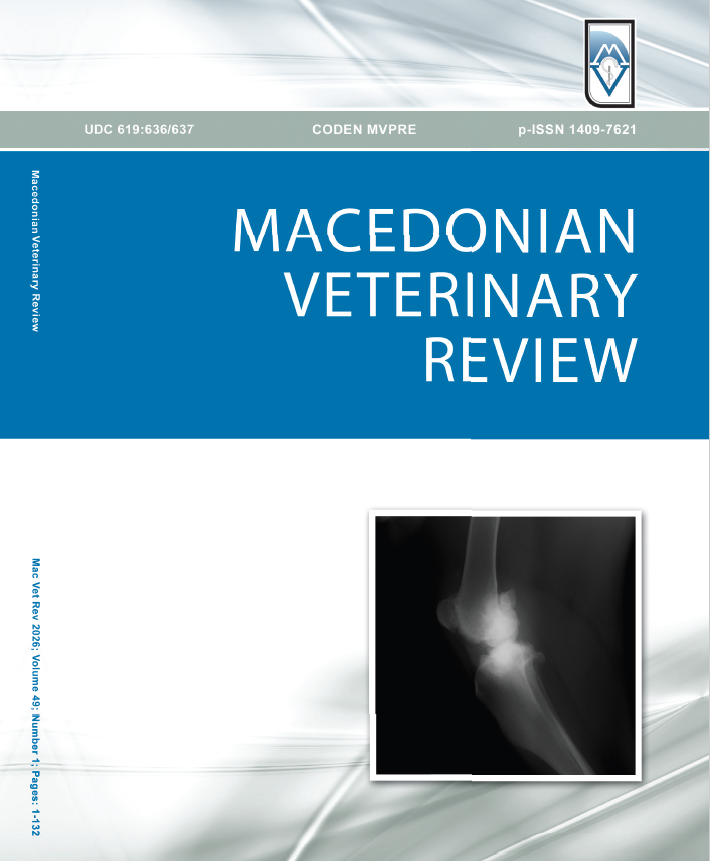
Original Scientific Article
Diagnostic techniques used in veterinary oncology: useful but with problems. What can a veterinary oncologist do?
Iniobong Chukwuebuka Ikenna Ugochukwu * ,
Jacinta Ngozi Omeke ,
Samson James Enam ,
Iasmina Luca ,
Mary Oluwatomisin Elijah ,
Onyinyechukwu Ada Agina *

Mac Vet Rev 2026; 49 (1): i - xxiv

10.2478/macvetrev-2026-0015

Received: 14 June 2025

Received in revised form: 28 December 2025

Accepted: 22 January 2026

Available Online First: 05 March 2026

Published on: 15 March 2026

Correspondence: Iniobong Chukwuebuka Ikenna Ugochukwu, Correspondence: Onyinyechukwu Ada Agina, onyinye.noel@unn.edu.ng
PDF HTML

Abstract

Veterinary diagnostic techniques are pivotal for the early identification and effective treatment planning, making them central to advancing veterinary oncology. They underpin the accurate identification and characterisation of neoplastic diseases, helping to guide effective treatment planning and improve animal health outcomes. This review emphasises the critical role of diverse diagnostic techniques, including cytology, histopathology, immunohistochemistry, electron microscopy, radiographic imaging (X-ray, computed tomography, positron mission tomography, magnetic resonance imaging), serology, and molecular techniques such as polymerase chain reaction (PCR), fluorescence in situ hybridization, and gene sequencing, that are critical for tumour diagnosis in veterinary practice. Despite their indispensability, these methods face significant challenges, mainly a lack of comprehensive standardisation and limited validation of established protocols and grading schemes. Recognising these related issues will assist in resolving them, which is vital for improving diagnostic accuracy, promoting innovation, and equipping veterinary professionals to make informed and effective clinical oncology decisions, thereby advancing both veterinary care and research.

Keywords: oncology, cytology, computed tomography, histopathology, immunohistochemistry


References

  1. Meuten, J., Moore, F.M., Donovan, T.A., Bertram, C.A., Klopfleisch, R., Foster, R.A., et al. (2021). International guidelines for veterinary tumor pathology: a call to action. Vet Pathol. 58(5): 766-794. https://doi.org/10.1177/03009858211013712 PMid:34282984
  2. Dank, G., Buber, T., Rice, A., Kraicer, N., Hanael, E., Shasha, T., et al. (2023). Training and validation of a novel non-invasive imaging system for ruling out malignancy in canine subcutaneous and cutaneous masses using machine learning in 664 masses. Front Vet Sci. 10, 1-9. https://doi.org/10.3389/fvets.2023.1164438 PMid:37841459 PMCid:PMC10570610
  3. Webster, D., Dennis,  M.,  Dervisis,  N., Heller, J., Bacon, N.J., Bergman P.J., et al. (2011). Recommended guidelines for the conduct and evaluation of prognostic studies in veterinary oncology. Vet Pathol. 48(1): 7-18. https://doi.org/10.1177/0300985810377187 PMid:20664014
  4. Burton, J., Khanna, C. (2014). The role of clinical trials in veterinary Vet Clin North Am Small Anim Pract. 44(5): 977-987. https://doi.org/10.1016/j.cvsm.2014.05.006 PMid:25174911
  5. Colombe, P., Béguin, J., Benchekroun, G., Le Roux, D. (2022). Blood biomarkers for canine cancer, from human to veterinary oncology. Vet Comp Oncol. 20(4): 767-777.
  6. Sharkey, C., Dial, S.M., Matz, M.E. (2007). Maximizing the diagnostic value of cytology in small animal practice. Vet Clin North Am Small Anim Pract. 37(2): 351-372. https://doi.org/10.1111/vco.12848 PMid:35815441 PMCid:PMC9796515
  7. Ayele, L., Mohammed, C., Yimer, L. (2016). Review on diagnostic cytology: techniques and applications in veterinary medicine. J Vet Sci Technol. 8(1): 408. https://doi.org/10.4172/2157-7579.1000408 
  8. Dolka, I., Czopowicz, M., Gruk-Jurka, A., Wojtkowska, , Sapierzyński, R., Jurka, P. (2018). Diagnostic efficacy of smear cytology and Robinson’s cytological grading of canine mammary tumors with respect to histopathology, cytomorphometry, metastases and overall survival. PLoS One. 13(1): e0191595. https://doi.org/10.1371/journal.pone.0191595 PMid:29360854 PMCid:PMC5779680
  9. Kuppusamy, K., Rajan, A., Warrier, A., Nadhan, R., Patra, D., Srinivas, P. (2019). Cytological grading of breast tumors-the human and canine perspective. Front Vet Sci. 6, 283. https://doi.org/10.3389/fvets.2019.00283 PMid:31508437 PMCid:PMC6718613
  10. Schreier, S., Triampo, W. (2021). Systemic cytology. A novel diagnostic approach for assessment of early systemic disease. Med Hypotheses. 156, 110682. https://doi.org/10.1016/j.mehy.2021.110682 PMid:34598097
  11. Sharkey, C., Wellman, M.L. (2011). Diagnostic cytology in veterinary medicine: a comparative and evidence-based approach. Clin Lab Med. 31(1): 1-19. https://doi.org/10.1016/j.cll.2010.10.005 PMid:21295719
  12. Sabattini, S., Renzi, A., Buracco, P., Defourny, S., Garnier‐Moiroux, M., Capitani, O., et al. (2017). Comparative assessment of the accuracy of cytological and histologic biopsies in the diagnosis of canine bone J Vet Intern Med. 31(3): 864-871. https://doi.org/10.1111/jvim.14696 PMid:28378427 PMCid:PMC5435042
  13. Christopher, M., Hotz, C.S., Shelly, S.M., Pion, P.D. (2008). Use of cytology as a diagnostic method in veterinary practice and assessment of communication between veterinary practitioners and veterinary clinical pathologists. J Am Vet Med Assoc. 232(5): 747-754. https://doi.org/10.2460/javma.232.5.747 PMid:18312185
  14. Lin, D., Shen, L., Luo, M., Zhang, K., Li, J., Yang, Q., et al. (2021). Circulating tumor cells: biology and clinical significance. Signal Transduct Target Ther. 6(1): 404. https://doi.org/10.1038/s41392-021-00817-8 PMid:34803167 PMCid:PMC8606574
  15. Jacquemin, V., Antoine, M., Dom, G., Detours, V., Maenhaut, , Dumont, J.E. (2022). Dynamic cancer cell heterogeneity: diagnostic and therapeutic implications. Cancers (Basel). 14(2): 280. https://doi.org/10.3390/cancers14020280 PMid:35053446 PMCid:PMC8773841
  16. Lawrence, R., Watters, M., Davies, C.R., Pantel, K., Lu, Y.J. (2023). Circulating tumour cells for early detection of clinically relevant cancer. Nat Rev Clin Oncol. 20(7): 487-500. https://doi.org/10.1038/s41571-023-00781-y PMid:37268719 PMCid:PMC10237083
  17. Raskin, E. (2010). Chapter 2-General categories of cytologic interpretation. In: R.E. Raskin, D.J. Meyer, Canine and feline cytology, Second Edition (pp. 15-25). W.B. Saunders https://doi.org/10.1016/B978-141604985-2.50007-4 PMCid:PMC7151962
  18. Wee, A. (2013). Fine needle aspiration biopsy of malignant mass lesions in the liver: a revisit of diagnostic profiles and challenges. J Gastrointest Oncol. 4(1): 5-7.
  19. Wang, M., Kundu, U., Gong, Y. (2020). Pitfalls of FNA diagnosis of thymic tumors. Cancer Cytopathol. 128(1): 57-67. https://doi.org/10.1002/cncy.22211 PMid:31742902
  20. Gao, Y., Wu, B.H., Shen, X.Y., Peng, T.L., Li, D.F., Wei, C., et al. (2020). Overlooked risk for needle tract seeding following endoscopic ultrasound- guided minimally invasive tissue acquisition. World J Gastroenterol. 26(40): 6182-6194. https://doi.org/10.3748/wjg.v26.i40.6182 PMid:33177792 PMCid:PMC7596640
  21. Holmes, R. (2024). Reducing the risk of needle tract seeding or tumor cell dissemination during needle biopsy procedures. Cancers (Basel). 16(2): 317. https://doi.org/10.3390/cancers16020317 PMid:38254806 PMCid:PMC10814235
  22. Rastogi, A. (2018). Changing role of histopathology in the diagnosis and management of hepatocellular carcinoma. World J Gastroenterol. 24(35): 4000-4013. https://doi.org/10.3748/wjg.v24.i35.4000 PMid:30254404 PMCid:PMC6148422
  23. Isaza, D., Robinson, N.A., Pizzirani, , Pumphrey, S.A. (2020). Evaluation of cytology and histopathology for the diagnosis of feline orbital neoplasia: 81 cases (2004‐2019) and review of the literature. Vet Ophthalmol. 23(4): 682-689. https://doi.org/10.1111/vop.12776 PMid:32413196
  24. Tseng, J., Matsuyama, A., MacDonald-Dickinson, V. (2023). Histology: The gold standard for diagnosis? Can Vet J. 64(4): 389-391.
  25. He, L., Long, L.R., Antani, S., Thoma, G.R. (2012). Histology image analysis for carcinoma detection and grading. Comput Methods Programs Biomed. 107(3): 538-556. https://doi.org/10.1016/j.cmpb.2011.12.007 PMid:22436890 PMCid:PMC3587978
  26. Haghofer, A., Fuchs-Baumgartinger, A., Lipnik, K., Klopfleisch, R., Aubreville, M., Scharinger, J., et al. (2023). Histological classification of canine and feline lymphoma using a modular approach based on deep learning and advanced image processing. Sci Rep. 13(1): 1-16. https://doi.org/10.1038/s41598-023-46607-w PMid:37945699 PMCid:PMC10636139
  27. Flaherty, H., Robinson, N.A., Pizzirani, S., Pumphrey, S.A. (2020). Evaluation of cytology and histopathology for the diagnosis of canine orbital neoplasia: 112 cases (2004‐2019) and review of the literature. Vet Ophthalmol. 23(2): 259-268. https://doi.org/10.1111/vop.12717 PMid:31693288
  28. Bertram, A., Donovan, T.A., Bartel, A. (2024). Mitotic activity: A systematic literature review of the assessment methodology and prognostic value in canine tumors. Vet Pathol. 61(5): 752-764. https://doi.org/10.1177/03009858241239565 PMid:38533804 PMCid:PMC11370189
  29. Rodriguez‐Canales, J., Eberle, F.C., Jaffe, E.S., Emmert‐Buck, M.R. (2021). Why is it crucial to reintegrate pathology into cancer research? BioEssays 33(7): 490-498. https://doi.org/10.1002/bies.201100017 PMid:21590787 PMCid:PMC6377259
  30. Raab, S.S., Grzybicki, D.M., Janosky, J.E., Zarbo, R.J., Meier, A., Jensen, C., et al. (2005). Clinical impact and frequency of anatomic pathology errors in cancer diagnoses. Cancer 104(10): 2205-2213. https://doi.org/10.1002/cncr.21431 PMid:16216029
  31. Ko, S., Choi, Y.M., Kim M., Park, Y., Ashraf, M., Quiñones Robles, W.R., et al. (2022). Improving quality control in the routine practice for histopathological interpretation of gastrointestinal endoscopic biopsies using artificial intelligence. PLoS One 17(12): e0278542. https://doi.org/10.1371/journal.pone.0278542 PMid:36520777 PMCid:PMC9754254
  32. Fiedler, S., Schrader, H., Theobalt, N., Hofmann, I., Geiger, T., Arndt, D., et al. (2023). Standardized tissue sampling guidelines for histopathological and molecular analyses of rainbow trout (Oncorhynchus mykiss) in ecotoxicological studies. PLoS One 18(7): e0288542. https://doi.org/10.1371/journal.pone.0288542 PMid:37440561 PMCid:PMC10343068
  33. De Matos, L.L., Trufelli, D.C., De Matos, M.G.L., Da Silva Pinhal, A. (2010). Immunohistochemistry as an important tool in biomarkers detection and clinical practice. Biomark Insights 5, 9-20. https://doi.org/10.4137/BMI.S2185 PMid:20212918 PMCid:PMC2832341
  34. Webster, J.D., Solon, M., Gibson-Corley, K.N. (2021). Validating Immunohistochemistry assay specificity in investigative studies: considerations for a weight of evidence approach. Vet Pathol. 58(5): 829-840. https://doi.org/10.1177/0300985820960132 PMid:32975488
  35. Duraiyan, J., Govindarajan, R., Kaliyappan, K., Palanisamy, M. (2012). Applications of immunohistochemistry. J Pharm Bioallied 4(6): S307-S309. https://doi.org/10.4103/0975-7406.100281 PMid:23066277 PMCid:PMC3467869
  36. Ramos-Vara, A., Borst, L.B. (2017). Immunohistochemistry: fundamentals and applications in oncology. In: D.J. Meuten (Ed.), Neoplasms of domestic animals (p. 44). John Wiley & Sons, Inc. https://doi.org/10.1002/9781119181200.ch3 
  37. Sani, A., Ugochukwu, I.C.I., Abalaka, S.E., Saleh, A., Idoko, I.S., Oladele S.B., et al. (2022). Immunohistochemical and molecular detection of avian neoplastic disease viruses in layer chickens from poultry farms in Northwestern and Northcentral Nigeria. Comp Clin Path. 31(4): 719-727. https://doi.org/10.1007/s00580-022-03373-x 
  38. Ahmed, H., Mays, J., Kiupel, M., Dunn, J.R. (2018). Development of reliable techniques for the differential diagnosis of avian tumour viruses by immunohistochemistry and polymerase chain reaction from formalin-fixed paraffin-embedded tissue sections. Avian Pathol. 47(4): 364-374. https://doi.org/10.1080/03079457.2018.1451620 PMid:29533078
  39. Thenuwara, G., Curtin, J., Tian, F. (2023). Advances in diagnostic tools and therapeutic approaches for gliomas: a comprehensive review. Sensors 23(24): 9842. https://doi.org/10.3390/s23249842 PMid:38139688 PMCid:PMC10747598
  40. Ramos-Vara, J.A. (2005). Technical aspects of immunohistochemistry. Vet Pathol. 42(4): 405-426. https://doi.org/10.1354/vp.42-4-405 PMid:16006601
  41. Ramos-Vara, A., Kiupel, M., Baszler, T., Bliven, L., Brodersen, B., Chelack, B., et al. (2008). Suggested guidelines for immunohistochemical techniques in veterinary diagnostic laboratories. J Vet Diagnostic Investig. 20(4): 393-413. https://doi.org/10.1177/104063870802000401 PMid:18599844
  42. Quain, A., Ward, M.P., Mullan, S. (2021). Ethical challenges posed by advanced veterinary care in companion animal veterinary practice. Animals 11(11): 3010. https://doi.org/10.3390/ani11113010 PMid:34827742 PMCid:PMC8614270
  43. Kim, W., Roh, J., Park, C.S. (2016). Immunohistochemistry for pathologists: protocols, pitfalls, and tips. J Pathol Transl Med. 50(6): 411-418. https://doi.org/10.4132/jptm.2016.08.08  PMid:27809448 PMCid:PMC5122731
  44. Priest, L., Hume, K.R., Killick, D., Kozicki, A., Rizzo, V.L., Seelig, D., et al. (2017). The use, publication and future directions of immunocytochemistry in veterinary medicine: a consensus of the Oncology-Pathology Working Group. Vet Comp Oncol. 15(3): 868-880. https://doi.org/10.1111/vco.12228 PMid:27001524
  45. Iaria, C., Ieni, A., Corti, I., Puleio, R., Brachelente, C., Mazzullo, G., et al. (2019). Immunohistochemical Study of Four Fish Tumors. J Aquat Anim Health. 31(1): 97-106. https://doi.org/10.1002/aah.10058 PMid:30554413
  46. Antuofermo, E., Orioles, M., Murgia, C., Burrai, G.P., Penati, M., Gottardi, C., et al. (2023). Exploring immunohistochemistry in fish: assessment of antibody reactivity by western immunoblotting. Animals 13(18): 2934. https://doi.org/10.3390/ani13182934 PMid:37760333 PMCid:PMC10525475
  47. Desai, N., Katare, P., Makwana, V., Salave, S., Vora, L.K., Giri, J. (2023). Tumor-derived systems as novel biomedical tools-turning the enemy into an ally. Biomater Res. 27(1): 113. https://doi.org/10.1186/s40824-023-00445-z PMid:37946275 PMCid:PMC10633998
  48. Ferlosio, A., Orlandi, A. (2016). The use of electron microscopy for the diagnosis of malignant pleural mesothelioma. J Thorac Dis. 8(11): E1487-E1489. https://doi.org/10.21037/jtd.2016.11.58 PMid:28066639 PMCid:PMC5179440
  49. Cohen Hyams, T., Mam, K., Killingsworth, M.C. (2020). Scanning electron microscopy as a new tool for diagnostic pathology and cell biology. Micron 130, 102797. https://doi.org/10.1016/j.micron.2019.102797 PMid:31862481
  50. Lewczuk, B., Szyryńska, N. (2021). Field-emission scanning electron microscope as a tool for large-area and large-volume ultrastructural studies. Animals 11(12): 3390. https://doi.org/10.3390/ani11123390 PMid:34944167 PMCid:PMC8698110
  51. Catroxo, H.B., Martins, A.M.C.R.P.F. (2015). Veterinary diagnostic using transmission electron microscopy. In: Khan Maaz (Ed.), The transmission electron microscope - theory and applications. InTechOpen https://doi.org/10.5772/61125 
  52. Tekelioğlu, K. (2022). Electron microscopy and histopathological examination of canine papilomavirus. J Istanbul Vet Sci. 6(2): 84-89. https://doi.org/10.30704/http-www-jivs-net.1106150 
  53. Vilafranca, M., Fondevila, D., Marlasca, M.J., Ferrer, L. (1994). Chromophilic-eosinophilic (oncocyte-like) renal cell carcinoma in a dog with nodular dermatofibrosis. Vet Pathol. 31(6): 713-716. https://doi.org/10.1177/030098589403100615 PMid:7863590
  54. Lem, M. (2019). Barriers to accessible veterinary care. Can Vet J. 60(8): 891-893.
  55. Fischer, R., Hansen, B.T., Nair, V., Hoyt, F.H., Dorward, D.W. (2012). Scanning electron microscopy. Curr Protoc Microbiol. 25(1): 2B.2. https://doi.org/10.1002/9780471729259.mc02b02s25 PMid:22549162 PMCid:PMC3352184
  56. Winey, M., Meehl, J.B., O’Toole, E.T., Giddings, T.H. (2014). Conventional transmission electron Mol Biol Cell. 25(3): 319-323. https://doi.org/10.1091/mbc.e12-12-0863 PMid:24482357 PMCid:PMC3907272
  57. Erlandson, A. (2009). Role of electron microscopy in modern diagnostic surgical pathology. In: N. Weidner, R.J. Cote, S. Suster, L.M. Weiss(Eds.), Modern surgical pathology (pp. 71-84). W.B. Saunders https://doi.org/10.1016/B978-1-4160-3966-2.00005-9 PMCid:PMC7152405
  58. Ordóǹez, N.G., Mackay, B. (1998). Electron microscopy in tumor diagnosis: Indications for its use in the immunohistochemical Era. Hum Pathol 29(12): 1403-1411. https://doi.org/10.1016/S0046-8177(98)90008-9 PMid:9865825
  59. Klopfleisch, R., Bauer, N. (2016). Basic principles of cancer In: R. Klopfleisch (Ed.), Veterinary oncology (pp. 22-25). Switzerland: Springer international Publishing https://doi.org/10.1007/978-3-319-41124-8_2 
  60. Meomartino, L., Greco, A., Di Giancamillo, M., Brunetti, A., Gnudi, G.(2021). Imaging techniques in veterinary medicine. Part I: Radiography and ultrasonography. Eur J Radiol Open. 8, 100382. https://doi.org/10.1016/j.ejro.2021.100382 PMid:34712745 PMCid:PMC8529508
  61. De Nardi, B., de Oliveira Massoco Salles Gomes, C., Fonseca-Alves, C.E., de Paiva, F.N., Linhares, L.C.M., Carra, G.J.U., et al. (2023). Diagnosis, prognosis, and treatment of canine hemangiosarcoma: a review based on a consensus organized by the brazilian association of veterinary oncology, ABROVET. Cancers (Basel). 15(7): 2025. https://doi.org/10.3390/cancers15072025 PMid:37046686 PMCid:PMC10093745
  62. Chibuk, J., Flory, A., Kruglyak, K.M., Leibman, N., Nahama, A., Dharajiya, N., et al. (2021). Horizons in veterinary precision oncology: fundamentals of cancer genomics and applications of liquid biopsy for the detection, characterization, and management of cancer in dogs. Front Vet Sci. 8, 664718. https://doi.org/10.3389/fvets.2021.664718 PMid:33834049 PMCid:PMC8021921
  63. Marolf, A.J. (2016). Diagnostic radiology. Vet Clin N Am Small Anim Pract. 46(3): i. https://doi.org/10.1016/S0195-5616(16)00023-1 
  64. Yitbarek, D., Dagnaw, G.G. (2022). Application of advanced imaging modalities in veterinary medicine: a review. Vet Med Res Reports. 13, 117-130. https://doi.org/10.2147/VMRR.S367040 PMid:35669942 PMCid:PMC9166686
  65. Hupe, O., Ankerhold, U. (2007). Dose to persons assisting voluntarily during X-ray examinations of large animals. Radiat Prot Dosimetry. 128(3): 274-278. https://doi.org/10.1093/rpd/ncm422 PMid:17848384
  66. Nguyen, P.K., Wu, J.C. (2011). Radiation exposure from imaging tests: is there an increased cancer risk? Expert Rev Cardiovasc Ther. 9(2): 177-183. https://doi.org/10.1586/erc.10.184 PMid:21453214 PMCid:PMC3102578
  67. Najjar, R. (2023). Redefining radiology: a review of artificial intelligence integration in medical imaging. Diagnostics 13(17): 2760. https://doi.org/10.3390/diagnostics13172760 PMid:37685300 PMCid:PMC10487271
  68. Lanning, K., Best, A.M., Temple, H.J., Richards, P.S., Carey, A., McCauley, L.K. (2006). Accuracy and consistency of radiographic interpretation among clinical instructors using two viewing systems. J Dent Educ. 70(2): 149-159. https://doi.org/10.1002/j.0022-0337.2006.70.2.tb04071.x PMid:16478929
  69. Arruda Bergamaschi, N., Huber, L., Ludewig, E., Böhler, A., Gumpenberger, M., Hittmair, K.M., et al. (2023). Association between clinical history in the radiographic request and diagnostic accuracy of thorax radiographs in dogs: a retrospective case‐ control study. J Vet Intern Med. 37(6): 2453-2459. https://doi.org/10.1111/jvim.16899 PMid:37845839 PMCid:PMC10658523
  70. Macrì, F., Di Pietro, S., Mangano, C., Pugliese, M., Mazzullo, , Iannelli, N.M., et al. (2018). Quantitative evaluation of canine urinary bladder transitional cell carcinoma using contrast-enhanced ultrasonography. BMC Vet Res. 14(1): 84. https://doi.org/10.1186/s12917-018-1384-5 PMid:29530040 PMCid:PMC5848439
  71. Feliciano, A., Maronezi, M.C., Pavan, L., Castanheira, T.L., Simões, A.P., Carvalho, C.F., Canola, J.C., Vicente, W.R. (2014). ARFI elastography as a complementary diagnostic method for mammary neoplasia in female dogs - preliminary results. J Small Anim Pract. 55 (10): 504-508. https://doi.org/10.1111/jsap.12256 PMid:25132077
  72. Appleby, B., Vaden, S.L., Monteith, G., Seiler, G.S. (2023). Shear wave elastography evaluation of cats with chronic kidney disease. Vet Radiol Ultrasound. 64(2): 330-336. https://doi.org/10.1111/vru.13184 PMid:36324225
  73. Ercolin, C.M., Uchôa, A.S., Aires, L.P.N., Gomes, D.R., Tinto, S.T., Feliciano, G.S.M., Feliciano, M.A.R. (2024). Use of new ultrasonography methods for detecting neoplasms in dogs and cats: a review. Animals (Basel). 14(2): 312. https://doi.org/10.3390/ani14020312 PMid:38275771 PMCid:PMC10812759
  74. Passantino, G., Sassi, E., Filippi, I., Serata, V., Tinelli, A., Zizzo, N. (2022). Thoracic and abdominal mesothelioma in an older horse in lazio region. Animals (Basel). 12(19): 2560. https://doi.org/10.3390/ani12192560 PMid:36230301 PMCid:PMC9559699
  75. Hillaert, A., Stock, E., Duchateau, L., de Rooster, H., Devriendt, N., Vanderperren, K. (2022). B-mode and contrast-enhanced ultrasonography aspects of benign and malignant superficial neoplasms in dogs: a preliminary study. Animals 12(20): 2765. https://doi.org/10.3390/ani12202765 PMid:36290151 PMCid:PMC9597709
  76. Feliciano, A.R, de Miranda, B. dos S.P., Aires, L.P.N., Lima, B.B., de Oliveira, A.P.L., Feliciano, G.S.M., et al. (2023). The importance of ultrasonography in the evaluation of mammary tumors in bitches. Animals 13(11): 1742. https://doi.org/10.3390/ani13111742  PMid:37889644 PMCid:PMC10252055
  77. Vafaeezadeh, M., Behnam, H., Gifani, P. (2024). Ultrasound image analysis with vision transformers- review. Diagnostics 14(5): 542. https://doi.org/10.3390/diagnostics14050542 PMid:38473014 PMCid:PMC10931322
  78. Carovac, A., Smajlovic, F., Junuzovic, D. (2011). Application of ultrasound in medicine. Acta Inform Medica. 19(3): 168. https://doi.org/10.5455/aim.2011.19.168-171 PMid:23408755 PMCid:PMC3564184
  79. Manzi, T., Navas de Solis, C. (2022). Small animal teleultrasound. Vet Clin N Am Small Anim Pract. 52(5): 1141-1151. https://doi.org/10.1016/j.cvsm.2022.05.004 PMid:36150791
  80. Layton, R., Layton, D., Beggs, D., Fisher, A., Mansell, P., Stanger, K.J. (2023). The impact of stress and anesthesia on animal models of infectious disease. Front Vet Sci. 10, 1086003. https://doi.org/10.3389/fvets.2023.1086003 PMid:36816193 PMCid:PMC9933909
  81. Seiler, G.S., Cohen, E.B., D’Anjou, M., French, J., Gaschen, , Knapp, S., et al. (2022). ACVR and ECVDI consensus statement for the standardization of the abdominal ultrasound examination. Vet Radiol Ultrasound. 63(6): 661-674. https://doi.org/10.1111/vru.13151 PMid:36189784
  82. Tong, N.M., Zwingenberger, A.L., Blair, W.H., Taylor, L., Chen, R.X., Sturges, B.K. (2015). Effect of screening abdominal ultrasound examination on the decision to pursue advanced diagnostic tests and treatment in dogs with neurologic disease. J Vet Intern Med. 29(3): 893-899. https://doi.org/10.1111/jvim.12602 PMid:25900766 PMCid:PMC4895405
  83. Oliveira, I.M., da Silva, W.P.R., Ribeiro, R.R., Lopes, M.M., Costa, P.R.D.S., Borges, N.C. (2024). Ultrasound elastography in dogs: Physical principles and application in intestinal evaluation. Vet World. 17(12): 2985-2991. https://doi.org/10.14202/vetworld.2024.2985-2991 PMid:39897366 PMCid:PMC11784064
  84. Tamura, M, Ohta, H., Osuga, T., Takiguchi, M. (2023). Effectiveness of 2-dimensional shear wave elastography for noninvasive and reliable estimation of right atrial pressure in dogs with induced volume overload. J Vet Intern Med. 37(3): 866-874. https://doi.org/10.1111/jvim.16705 PMid:37036333 PMCid:PMC10229340
  85. Cha, J., Kim, J., Ko, J., Kim, J., Eom, K. (2022). Effects of confounding factors on liver stiffness in two-dimensional shear wave elastography in beagle dogs. Front Vet Sci. 9, 827599. https://doi.org/10.3389/fvets.2022.827599 PMid:35155659 PMCid:PMC8830801
  86. Karatrantos, T., Sideri, A.I., Gouletsou, P.G., Bektsi, C.G., Barbagianni, M.S. (2025). Ultrasound imaging modalities in the evaluation of the dog’s stifle joint. Vet Sci.12(8): 734. https://doi.org/10.3390/vetsci12080734 PMid:40872685 PMCid:PMC12389861
  87. Mattoon, S., Bryan, J.N. (2013). The future of imaging in veterinary oncology: Learning from human medicine. Vet J. 197(3): 541-552. https://doi.org/10.1016/j.tvjl.2013.05.022 PMid:23810184
  88. Randall, K. (2016). PET-computed tomography in veterinary medicine. Vet Clin N Am Small Anim Pract. 46(3): 515-533. https://doi.org/10.1016/j.cvsm.2015.12.008 PMid:27068445
  89. Forrest, J. (2016). Computed tomography imaging in oncology. Vet Clin N Am Small Anim Pract. 46(3): 499-513. https://doi.org/10.1016/j.cvsm.2015.12.007 PMid:26851976
  90. Lawrence, J., Rohren, E., Provenzale, J. (2010). PET/CT today and tomorrow in veterinary cancer diagnosis and monitoring: fundamentals, early results and future perspectives. Vet Comp Oncol. 8(3): 163-187. https://doi.org/10.1111/j.1476-5829.2010.00218.x PMid:20691025
  91. Schultz, M., Wisner, E.R., Johnson, E.G., MacLeod, J.S. (2009). Contrast-enhanced computed tomography as a preoperative indicator of vascular invasion from adrenal masses in dogs. Vet Radiol Ultrasound. 50(6): 625-629. https://doi.org/10.1111/j.1740-8261.2009.01593.x PMid:19999346
  92. Miles, A. (1999). Tumour angiogenesis and its relation to contrast enhancement on computed tomography: a review. Eur J Radiol. 30(3): 198-205. https://doi.org/10.1016/S0720-048X(99)00012-1 PMid:10452718
  93. Mortier, R., Maddox, T.W., Blackwood L., La Fontaine, M.D., Busoni, V. (2023). Dynamic contrast-enhanced computed tomography  in 11 dogs with orofacial tumors. Am J Vet Res. 84(5): ajvr.22.12.0207. https://doi.org/10.2460/ajvr.22.12.0207 PMid:36972698
  94. Pollard, E., Broumas, A.R., Wisner, E.R., Vekich, S.V., Ferrara, K.W. (2007). Quantitative contrast enhanced ultrasound and CT assessment of tumor response to antiangiogenic therapy in rats. Ultrasound Med Biol. 33(2): 235-245. https://doi.org/10.1016/j.ultrasmedbio.2006.07.036 PMid:17306694
  95. Greco, A., Meomartino, L., Gnudi, G., Brunetti, A., Di Giancamillo, M. (2022). Imaging techniques in veterinary Part II: Computed tomography, magnetic resonance imaging, nuclear medicine. Eur J Radiol Open. 10, 100467. https://doi.org/10.1016/j.ejro.2022.100467 PMid:36570419 PMCid:PMC9768321
  96. Alzain, F., Elhussein,. N., Fadulelmulla, I.A., Ahmed, A.M., Elbashir, M.E., Elamin, B.A. (2021). Common computed tomography artifact: source and avoidance. Egypt J Radiol Nucl Med. 52(1): 151. https://doi.org/10.1186/s43055-021-00530-0 PMCid:PMC8212282
  97. Illimoottil, M., Ginat, D. (2023). Recent advances in deep learning and medical imaging for head and neck cancer treatment: MRI, CT, and PET Scans. Cancers (Basel). 15(13): 3267. https://doi.org/10.3390/cancers15133267 PMid:37444376 PMCid:PMC10339989
  98. Power, P., Moloney, F., Twomey, M., James, K., O'Connor, O.J., Maher, M.M. (2016). Computed tomography and patient risk: Facts, perceptions and uncertainties. World J Radiol. 8(12): 902. https://doi.org/10.4329/wjr.v8.i12.902 PMid:28070242 PMCid:PMC5183924
  99. International Atomic Energy Agency I. [Internet]. Radiation protection and safety in veterinary medicine. (2021). https://www-pub.iaea.org/MTCD/Publications/PDF/PUB1894_web.pdf 
  100. Fass, L. (2008). Imaging and cancer: A review. Mol Oncol. 2(2): 115-152. https://doi.org/10.1016/j.molonc.2008.04.001 PMid:19383333 PMCid:PMC5527766
  101. Lamb, C.R. (2016). Veterinary diagnostic imaging: Probability, accuracy and impact. Vet J. 215, 55-63. https://doi.org/10.1016/j.tvjl.2016.03.017 PMid:27090950
  102. Goic, J.B., Koenigshof, A.M., McGuire, L.D., Klinger, A.C., Beal, M.W. (2016). A retrospective evaluation of contrast‐induced kidney injury in dogs (2006-2012). J Vet Emerg Crit 26(5): 713-719. https://doi.org/10.1111/vec.12511 PMid:27557489
  103. Lawrence, J., Rohren, E., Provenzale, J. (2010). PET/CT today and tomorrow in veterinary cancer diagnosis and monitoring: fundamentals, early results and future perspectives. Vet Comp Oncol. 8(3): 163-187. https://doi.org/10.1111/j.1476-5829.2010.00218.x PMid:20691025
  104. Trotter, J., Pantel, A.R., Teo, B.K.K., Escorcia, F.E., Li, T., Pryma, D.A., et al. (2023). Positron Emission Tomography (PET)/Computed Tomography (CT) imaging in radiation therapy treatment planning: a review of PET imaging tracers and methods to incorporate PET/CT. Adv Radiat Oncol. 8(5): 101212. https://doi.org/10.1016/j.adro.2023.101212 PMid:37197709 PMCid:PMC10184051
  105. Spriet, M., Willcox, J.L., Culp, W.T.N. (2019). Role of positron emission tomography in imaging of non- neurologic disorders of the head, neck, and teeth in veterinary medicine. Front Vet Sci. 6, 180. https://doi.org/10.3389/fvets.2019.00180 PMid:31245395 PMCid:PMC6579945
  106. Vaquero, J., Kinahan, P. (2015). Positron emission tomography: current challenges and opportunities for technological advances in clinical and preclinical imaging systems. Annu Rev Biomed Eng. 17(1): 385-414. https://doi.org/10.1146/annurev-bioeng-071114-040723 PMid:26643024 PMCid:PMC5299095
  107. Gallamini, A., Zwarthoed, C., Borra, A. (2014). Positron emission tomography (PET) in oncology. Cancers (Basel). 6(4): 1821-189. https://doi.org/10.3390/cancers6041821 PMid:25268160 PMCid:PMC4276948
  108. Joubert, E. (2007). Pre-anaesthetic screening of geriatric dogs. J S Afr Vet Assoc. 78(1): 31-35. https://doi.org/10.4102/jsava.v78i1.283 PMid:17665763
  109. Mitchell, K., Barletta, M., Quandt, J., Shepard, M., Kleine, S., Hofmeister, E.. (2018). Effect of routine pre-anesthetic laboratory screening on pre-operative anesthesia-related decision-making in healthy dogs. Can Vet J. 59(7): 773-778.
  110. Ródenas,S. , Pumarola, M., Gaitero, L., Zamora, À., Añor, S. (2011). Magnetic resonance imaging findings in 40 dogs with histologically confirmed intracranial tumours. Vet J. 187(1): 85-91. https://doi.org/10.1016/j.tvjl.2009.10.011 PMid:19914851
  111. Céré, C., Curcio, V., Dorez, H., Debreuque, M., Franconi, F., Rousseau, D. (2024). Quantitative MRI for brain lesion diagnosis in dogs and cats: A comprehensive overview. Vet Radiol Ultrasound. 65(6): 849-864. https://doi.org/10.1111/vru.13434 PMid: 39329277
  112. Poirier‐Quinot, M>, Ginefri, J., Girard, O., Robert, P., Darrasse, L. (2008). Performance of a miniature high‐temperature superconducting (HTS) surface coil for in vivo microimaging of the mouse in a standard 1.5T clinical whole‐body scanner. Magn Reson Med. 60(4): 917-927. https://doi.org/10.1002/mrm.21605 PMid:18816812
  113. Sandhu, S., Solorio, L., Broome, A., Salem, N., Kolthammer, J., Shah, T., et al. (2010). Whole animal imaging. WIREs Syst Biol Med. 2(4): 398-421. https://doi.org/10.1002/wsbm.71 PMid:20836038 PMCid:PMC4437583
  114. Peldschus, K., Ittrich, H. (2014). Magnetic resonance imaging of metastases in xenograft mouse models of cancer. In: M. Dwek, U. Schumacher, S. Brooks (Eds), Metastasis research protocols. Methods Mol Biol., vol 1070. New York, NY: Humana Press https://doi.org/10.1007/978-1-4614-8244-4_16 PMid:24092443
  115. Yankeelov, T., Gore, J. (2007). Dynamic contrast enhanced magnetic resonance imaging in oncology:theory, data acquisition,analysis, and examples. Curr Med Imaging Rev. 3(2): 91-107. https://doi.org/10.2174/157340507780619179 PMid:19829742 PMCid:PMC2760951
  116. Mo, T., Brandal, S.H.B., Geier, O.M., Engebråten, O., Nilsen, L.B., Kristensen, V.N., et al. (2023). MRI assessment of changes in tumor vascularization during neoadjuvant anti-angiogenic treatment in locally advanced breast cancer patients. Cancers (Basel). 15(18): 4662. https://doi.org/10.3390/cancers15184662 PMid:37760629 PMCid:PMC10526130
  117. Bokacheva, L., Ackerstaff, E., LeKaye, H.C., Zakian, K., Koutcher, J.A. (2014). High-field small animal magnetic resonance oncology studies. Phys Med Biol. 59(2): R65-127. https://doi.org/10.1088/0031-9155/59/2/R65 PMid:24374985 PMCid:PMC4389287
  118. Rossmeisl, J., Kopf, K., Ruth, J. (2015). Magnetic resonance imaging of meningiomas associated with transcalvarial extension through osteolytic skull defects in a cat and two J Vet Med Res. 2(3): 1025.
  119. Boss, K., Muradyan, N., Thrall, D.E. (2013). DCE‐MRI : a review and applications in veterinary oncology. Vet Comp Oncol. 11(2): 87-100. https://doi.org/10.1111/j.1476-5829.2011.00305.x PMid:22235857 PMCid:PMC3593756
  120. Uwagie-Ero, E.A, Awasum, C.A. (2017). The challenges and limitations of magnetic resonance imaging technique in veterinary curriculum and clinical practice in Sokoto J Vet Sci. 15(3): 1-9. https://doi.org/10.4314/sokjvs.v15i3.1 
  121. Driehuys, B., Nouls, J., Badea, A., Bucholz, E., Ghaghada, , Petiet, A., et al. (2008). Small animal imaging with magnetic resonance microscopy. ILAR J. 49(1): 35-53. https://doi.org/10.1093/ilar.49.1.35 PMid:18172332 PMCid:PMC2770253
  122. Hecht, S., Adams, W.H., Narak, J., Thomas, W.B. (2011). Magnetic resonance imaging susceptibility artifacts due to metallic foreign bodies. Vet Radiol Ultrasound. 52(4): 409-414. https://doi.org/10.1111/j.1740-8261.2011.01809.x PMid:21382122
  123. Huisman, A. (2009). Tumor-like lesions of the brain. Cancer Imaging 9(Special issue A): S10-S13. https://doi.org/10.1102/1470-7330.2009.9003 PMid:19965288 PMCid:PMC2797474
  124. May, L., Garcia-Mora, J., Edwards, M., Rossmeisl, J.H. (2024). An illustrated scoping review of the magnetic resonance imaging characteristics of canine and feline brain tumors. Animals (Basel). 14(7): 1044. https://doi.org/10.3390/ani14071044 PMid:38612283 PMCid:PMC11010916
  125. Falk Delgado A. (2025). Advances of MR imaging in glioma: what the neurosurgeon needs to (2025). Acta Neurochir (Wien). 167(1): 174. https://doi.org/10.1007/s00701-025-06593-6 PMid: 40542873 PMCid: PMC12182469
  126. Valones, A.A., Guimarães, R.L., Brandão, L.A.C., de Souza, P.R.E., de Albuquerque Tavares Carvalho, A., Crovela, S. (2009). Principles and applications of polymerase chain reaction in medical diagnostic fields: a review. Braz J Microbiol. 40(1): 1-11. https://doi.org/10.1590/S1517-83822009000100001 PMid:24031310 PMCid:PMC3768498
  127. Shakoori, R. (2017). Fluorescence in situ hybridization (FISH) and its applications. In: Tariq Ahmad Bhat and Aijaz Ahmad Wani (Eds.), Chromosome structure and aberrations. (pp. 343-367). New Delhi: Springer India https://doi.org/10.1007/978-81-322-3673-3_16 PMCid:PMC7122835
  128. Chrzanowska, M., Kowalewski, J., Lewandowska, M.A. (2020). Use of fluorescence in situ hybridization (FISH) in diagnosis and tailored therapies in solid tumors. molecules. 25(8): 1864. https://doi.org/10.3390/molecules25081864 PMid:32316657 PMCid:PMC7221545
  129. Van Borm, S., Belák, S., Freimanis, G., Fusaro, A., Granberg, , Höper, D., et al. (2015). Next- generation sequencing in veterinary medicine: how can the massive amount of information arising from high-throughput technologies improve diagnosis, control, and management of infectious diseases? Methods Mol Biol. 1247, 415-436. https://doi.org/10.1007/978-1-4939-2004-4_30 PMid:25399113 PMCid:PMC7123048
  130. Nagy, P.L., Worman, H.J. (2018). Next-generation sequencing and mutational analysis: implications for genes encoding LINC complex proteins. Methods Mol Biol. 321-336. https://doi.org/10.1007/978-1-4939-8691-0_22 PMCid:PMC6709851
  131. Perera, R., Skerrett-Byrne, D.A., Gibb, Z., Nixon, B., Swegen, A. (2022). The future of biomarkers in veterinary medicine: emerging approaches and associated challenges. Animals 12(17): 2194. https://doi.org/10.3390/ani12172194 PMid:36077913 PMCid:PMC9454634
  132. Wang, S., Dai, T.M., Tian, H., Wan, F.H., Zhang, G.F. (2019). Comparative analysis of eight DNA extraction methods for molecular research in mealybugs. PLoS One 14(12): e0226818. https://doi.org/10.1371/journal.pone.0226818 PMid:31891602 PMCid:PMC6938366
  133. Ugochukwu, I.C.I., Luca, I., Omeke, J.N., Enam, J.S., Elijah, O., Odigie, A.E., Rhimi, W.S. et al. (2024). Avian viral diseases: A pathologist's perspective. Rev Rom Med Vet. 34(2): 7-15.
  134. Henry, C.J. (2010). Biomarkers in veterinary cancer screening: Applications, limitations and expectations. Vet J. 185(1): 10-14. https://doi.org/10.1016/j.tvjl.2010.04.005  Mid:20510636
  135. Lin, J., Ma, L., Zhang, D., Gao, J., Jin, Y., Han, Z., et al. (2019). Tumour biomarkers-tracing the molecular function and clinical implication. Cell Prolif. 52(3): e12589. https://doi.org/10.1111/cpr.12589 PMid:30873683 PMCid:PMC6536410
  136. Leeflang, M.M.G. (2014). Systematic reviews and meta-analyses of diagnostic test accuracy. Clin Microbiol Infect. 20(2): 105-113. https://doi.org/10.1111/1469-0691.12474 PMid:24274632 PMCid:PMC8248624
  137. Maxim, L.D, Niebo, R., Utell, M.J. (2014). Screening tests: a review with examples. Inhal Toxicol. 26(13): 811-828. https://doi.org/10.3109/08958378.2014.955932 PMid:25264934 PMCid:PMC4389712
  138. Walter, J., Eludin, Z., Drabovich, A.P. (2023). Redefining serological diagnostics with immunoaffinity proteomics. Clin Proteomics. 20(1): 42. https://doi.org/10.1186/s12014-023-09431-y PMid:37821808 PMCid:PMC10568870


Copyright

©2026 Ugochukwu I.C.I. This is an open-access article published under the terms of the Creative Commons Attribution License which permits unrestricted use, distribution, and reproduction in any medium, provided the original author and source are credited.

C
onflict of Interest Statement

The authors declared that they have no financial or non-financial conflict of interest regarding authorship and publication of this article.

Citation Information

Macedonian Veterinary Review. Volume 49, Issue 1, Pages i-xxiv, e-ISSN 1857-7415, p-ISSN 1409-7621, DOI:  https://doi.org/10.2478/macvetrev-2026-0015